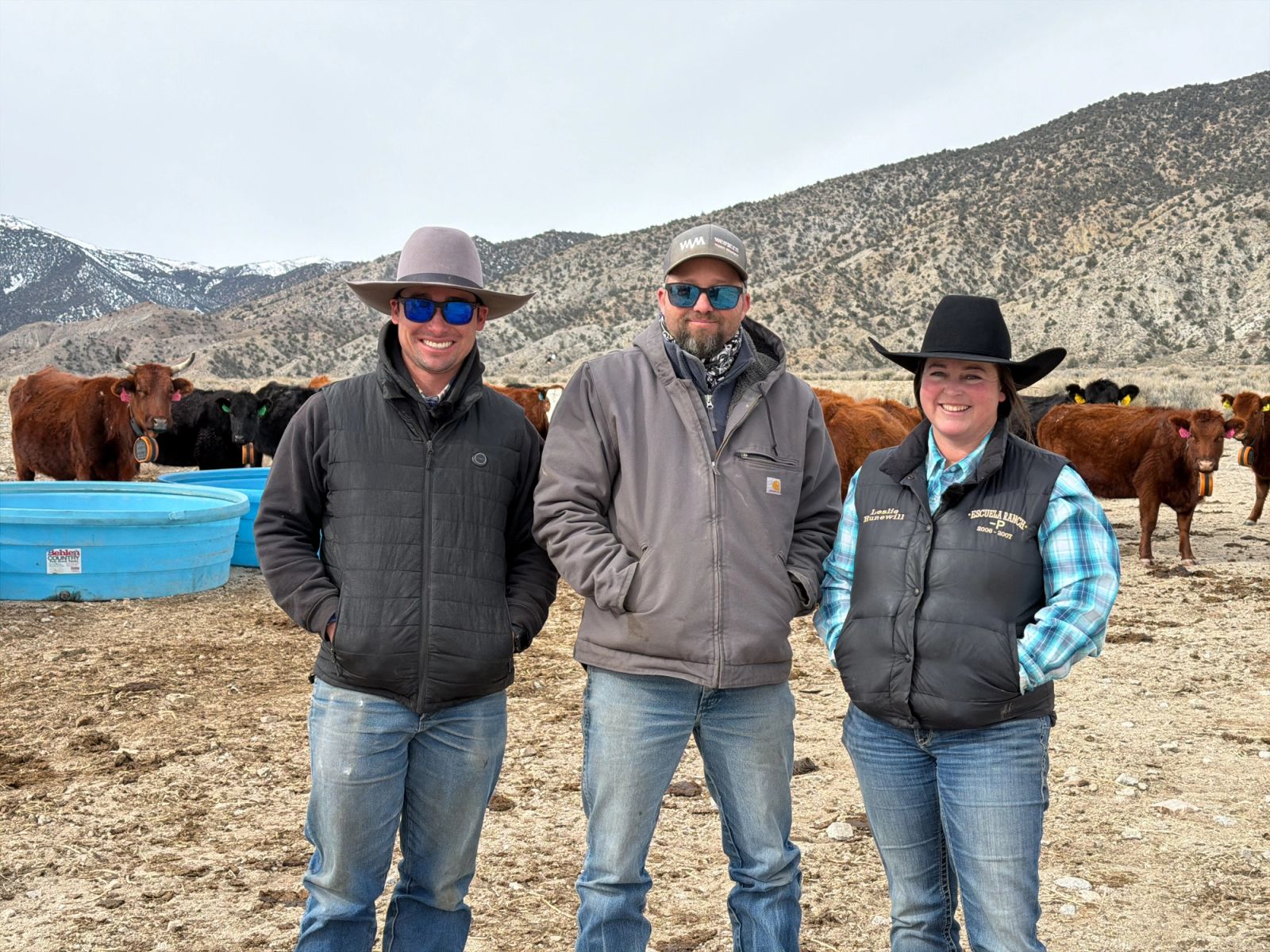
“Labor is one of the biggest costs on any outfit, and the fact that we've been able to reduce that expense by being more efficient when we gather and move cattle has been a game changer for us.”
Hunewill Ranch · California/Nevada
Sixth-generation ranchers optimize grazing on land too vast to fence
Napoleon Bonaparte Hunewill arrived in California during the gold rush, initially supplying timber to the booming mining town of Bodie. When the railroad made lumber transport redundant, he switched to cattle. The family has been raising them ever since. Today, Leslie, Blair, and Dalton represent the sixth generation of a family operation spanning two states and a guest ranch that has welcomed visitors since their great-grandmother opened its doors during the Great Depression.
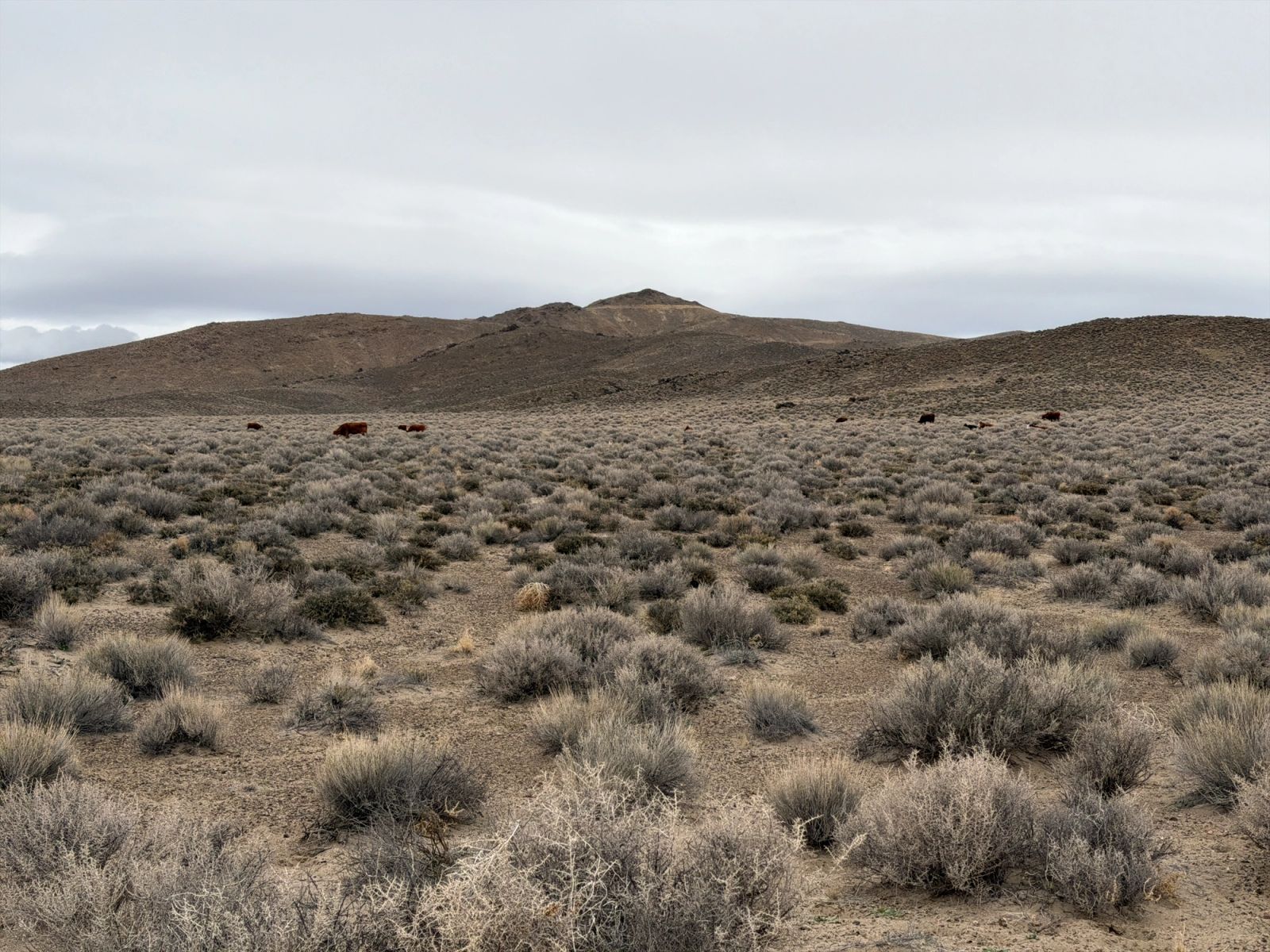
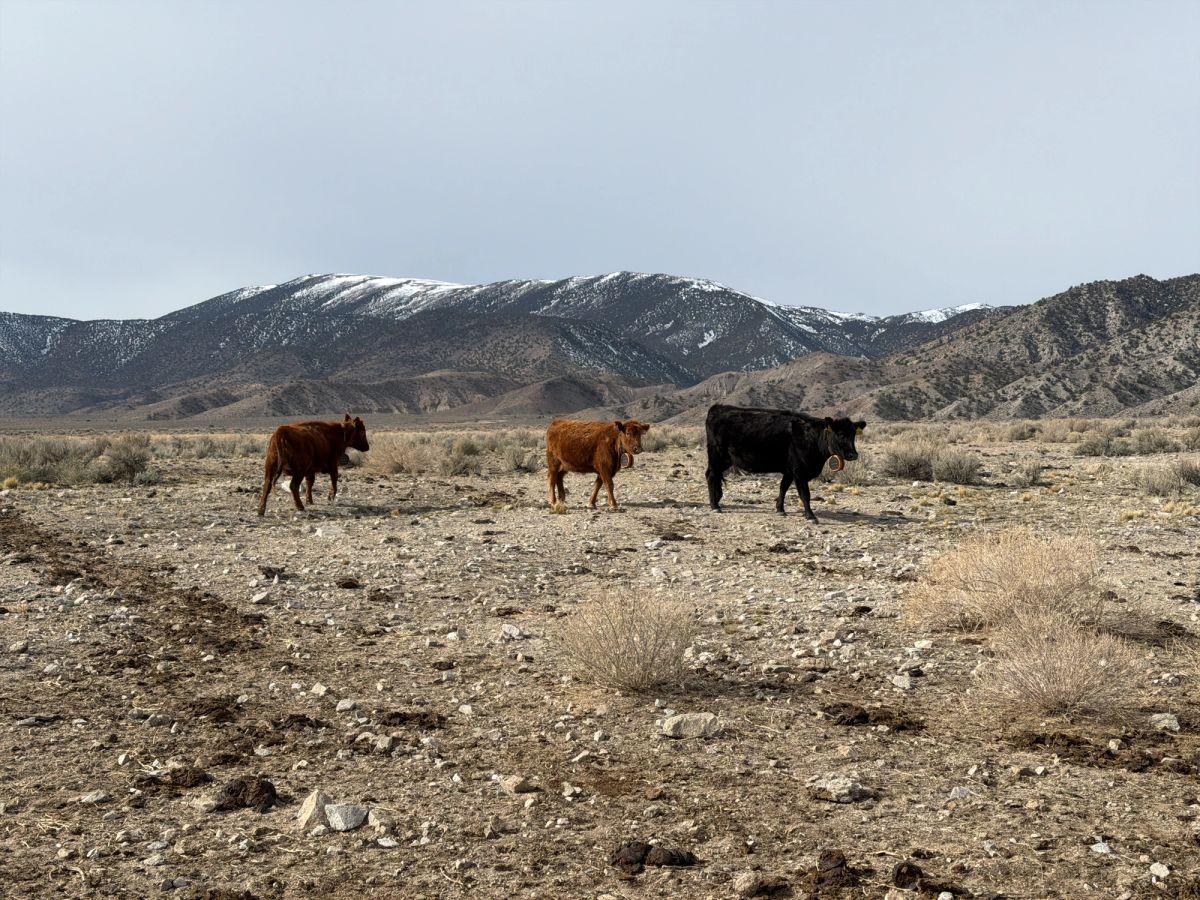
The core of the operation runs on BLM and Forest Service grazing permits across Nevada and California, covering more than 230,000 acres across three valleys.
The realities of such complex terrain had long defined, and limited, how the Hunewills ran cattle on the land.
When open range meets open highway
Cattle straying onto roadways is a risk for all producers grazing on large rangelands. The Hunewills know that risk well, having lost cattle to the highway despite real efforts to keep them off open road.
Putting in physical fencing along highway borders proves unrealistic since those costs often fall on the producer. Plus, rough terrain makes construction difficult in some places, impossible in others. As Leslie explains, that was a major factor in the decision to explore virtual fencing: building a physical fence out there would have been prohibitively expensive, and the cost would have fallen entirely on the family.
Since deploying eShepherd, the Hunewills have kept cattle off adjacent highways entirely.
From three days to six hours
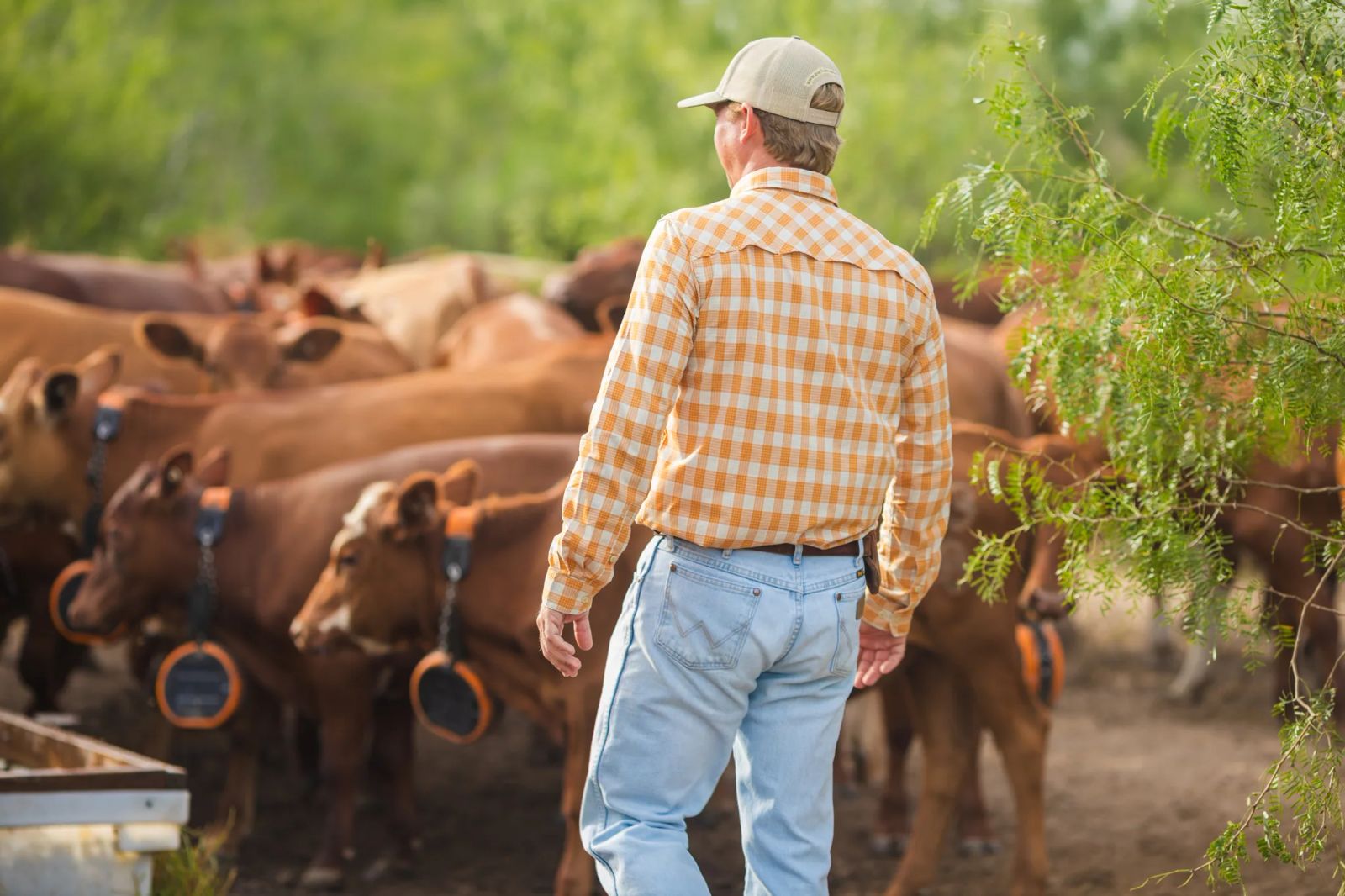
Adopting eShepherd also created immediate efficiency gains. Gathering cattle in certain areas of the Hunewills' operation had historically taken a full crew more than two days of riding, followed by additional days tracking down stragglers. With eShepherd, the same gather was completed in six hours, and for the first time, the family knew with certainty they hadn't left any animals behind. Dalton put it simply: they knew they were 100% clean after that gather, needing only about a day and a half to bring cattle in, ship them, and get water troughs set before heading out. In years past, the same job took two or three full days, followed by additional days just looking for animals.
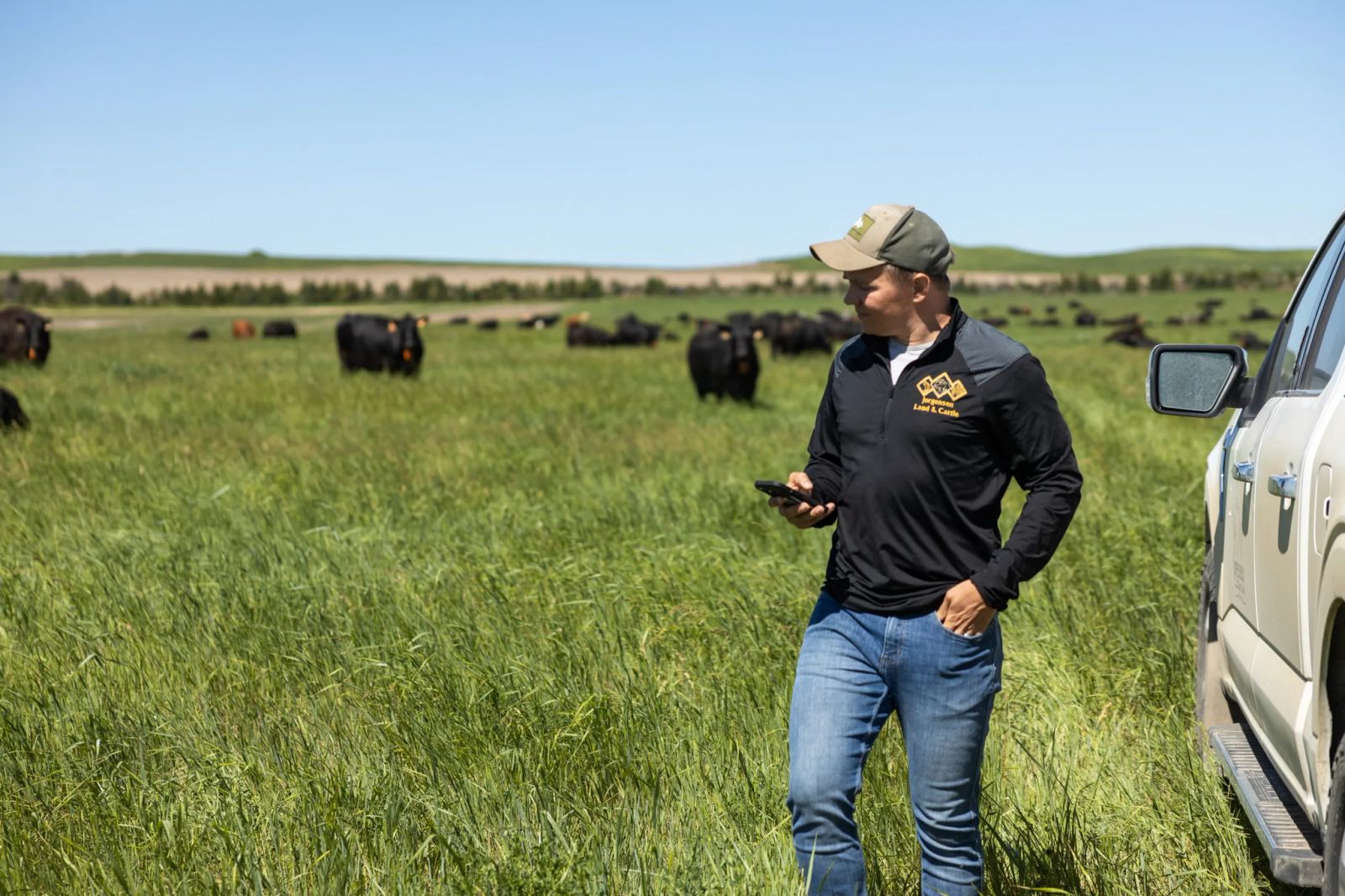
For Leslie, who often manages movements remotely from home, the app has changed how she reads the herd's condition in real time. Looking at the app, she can see where the cattle are heading, and sometimes, based on location alone, she can tell it's time to move them.
The cattle have learned to read the signals too. Experienced range cows know that when water gets hauled toward a new paddock, a move is coming. They'll head to the boundary and hold until it actually opens. The moment it does, they lead the younger replacement heifers through to the fresh feed, teaching them how to be range cows in the process.
Unlocking possibilities on public lands
Before eShepherd, the Hunewills could only graze a fraction of their permit. Large sections of the 230,000-acre allocation went unused simply because there was no practical way to contain cattle there. That meant good feed sat idle because building physical fence across that terrain was never realistic.
That scale used to make simply keeping track of the herd a challenge on its own. Blair recalls a season when the family came up short on their cattle counts and spent a combined two weeks driving the range, checking every corner by hand. With eShepherd, that kind of guesswork is gone. The family can see where the herd is at any given time, rather than piecing together a picture from occasional site visits.
Virtual fencing has also opened the door to more collaborative, data-informed conversations with the public agencies that manage the land. Instead of relying on occasional site visits or rough estimates, the Hunewills can now share with more certainty where their herds have grazed. That kind of clarity benefits everyone: public agencies get better information to work with, and ranchers get a more robust picture of their cattle's impact on the land.
Dalton sees broader opportunity as land management agencies move toward outcome-based grazing: more flexible on-and-off dates, management-intensive rotations, and the ability to demonstrate range health with data. For conservation work, such as keeping cattle away from streams where Lahontan cutthroat trout are being reintroduced, or excluding cattle from wilderness study areas critical to local sage grouse, virtual fence offers something physical wire never could in those environments.
As Leslie puts it, the goal was never to replace a cowboy or turn virtual fence into a substitute for one. Ranchers still need to ride their range, check the feed, and look after their cattle. But being able to cut down that labor expense by working more efficiently when gathering and moving cattle has, in her words, been a genuine game changer for the operation.