
Listen to this article
When Hawke's Bay farmer Willie Lyons took over his family's 100-year-old sheep and beef farm, the hardest part wasn't inheriting the land - it was learning to make the decisions that come with it.
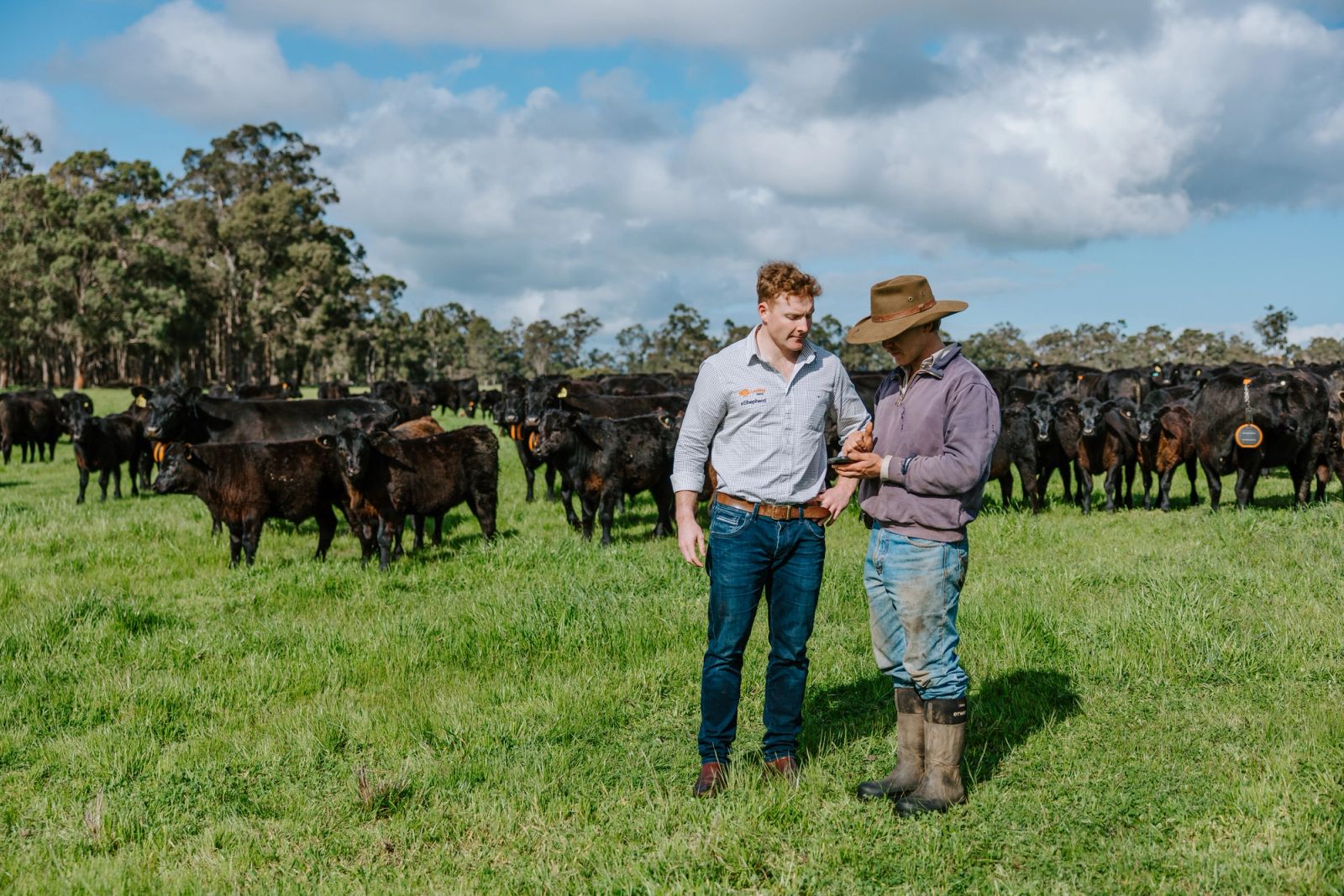
Lyons runs Glenalvon differently to most. He owns and oversees the business while working off-farm, and Farm Manager Tim Fairweather leads day-to-day operations. That model only works if both of them can see the same picture -and that's where technology earns its keep.
From financial software and livestock management platforms to virtual fencing, real-time farm data has replaced assumptions with evidence. Lyons calls it "a game-changer" - instead of relying on what people think is happening, decisions get made on what's actually in front of them.
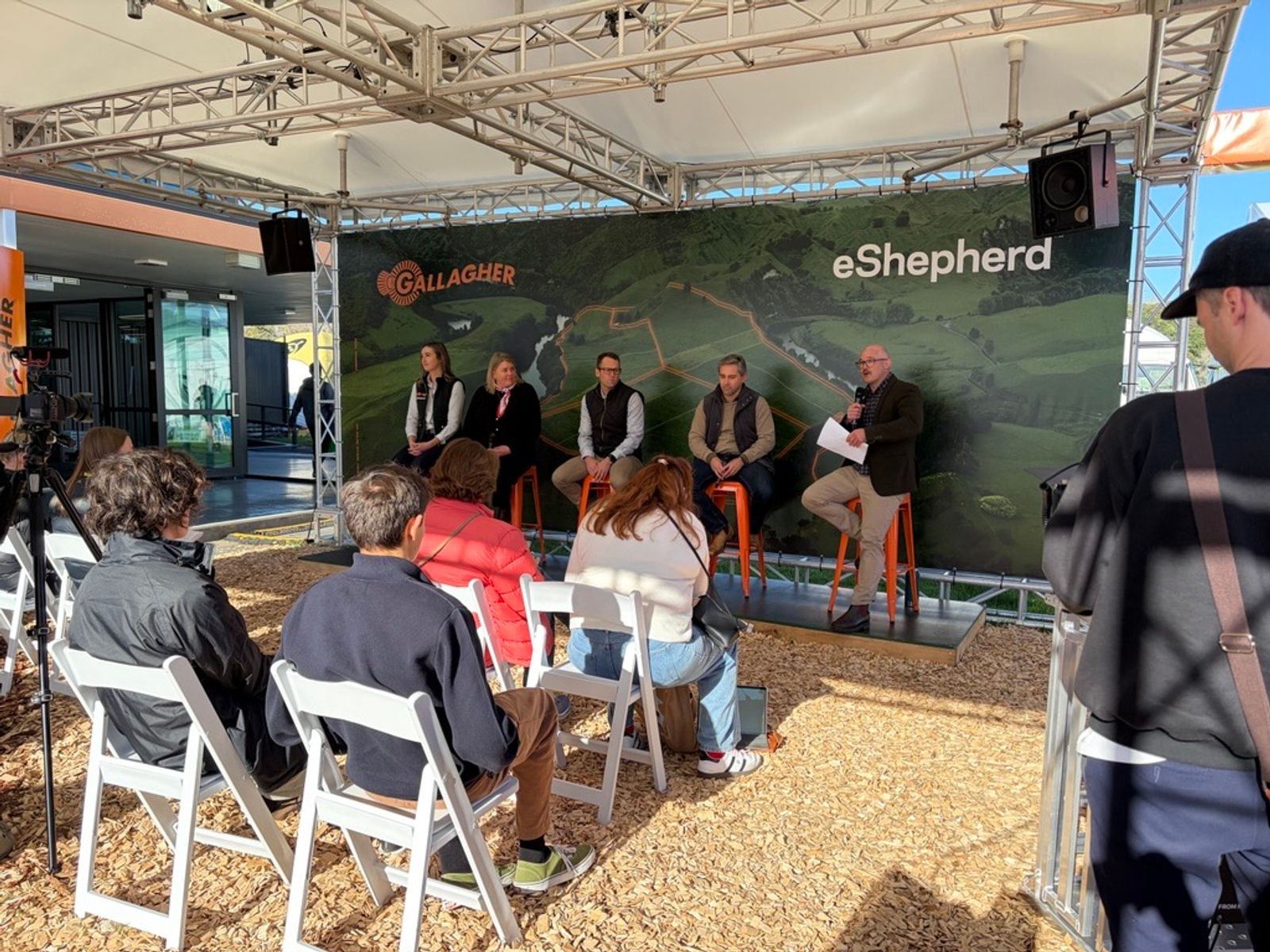
Speaking at a Gallagher Animal Management panel at National Fieldays, Lyons made the case that succession is a decision-transfer, not just an asset transfer. With New Zealand facing one of the largest intergenerational transfers of farming wealth in its history, the farms that navigate it well will be the ones where knowledge isn't locked in one person's head.
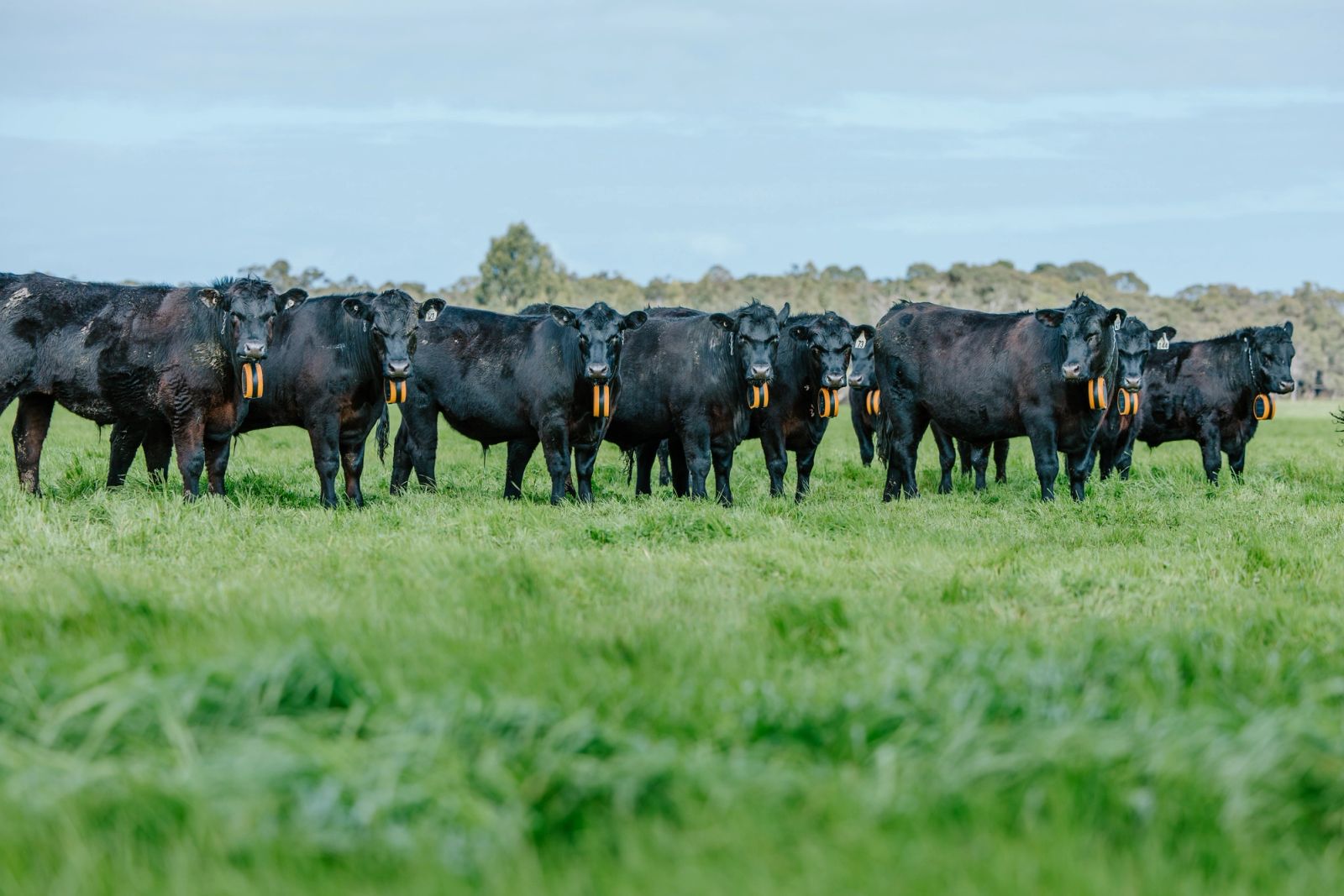
For virtual fencing, that's the quiet second benefit. Beyond the grazing gains, it puts livestock location, movement and pasture use in front of everyone who needs to see it - the owner, the manager, and the generation coming through.
Read the full story on the Gallagher Knowledge Hub.