
Listen to this article
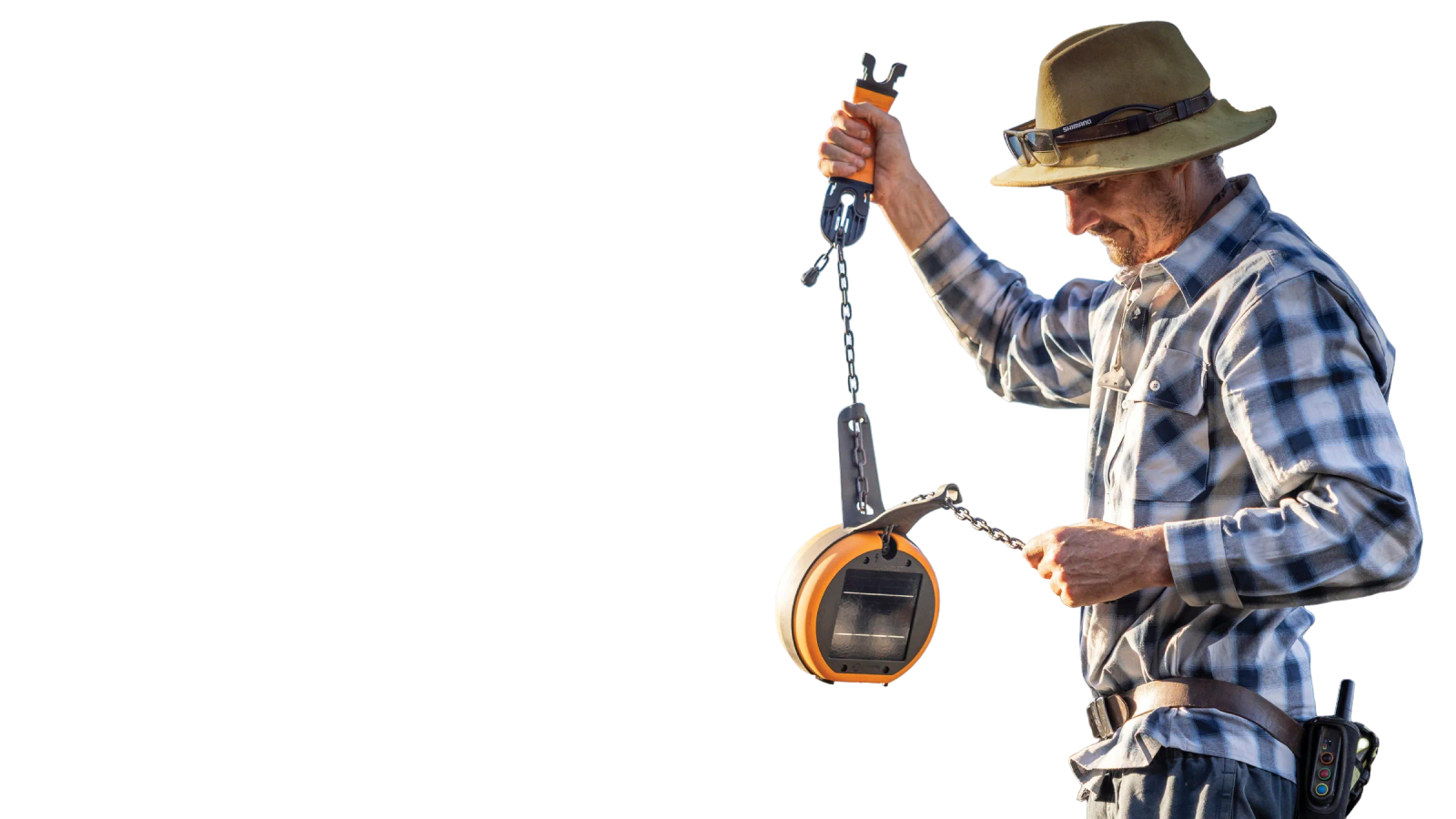
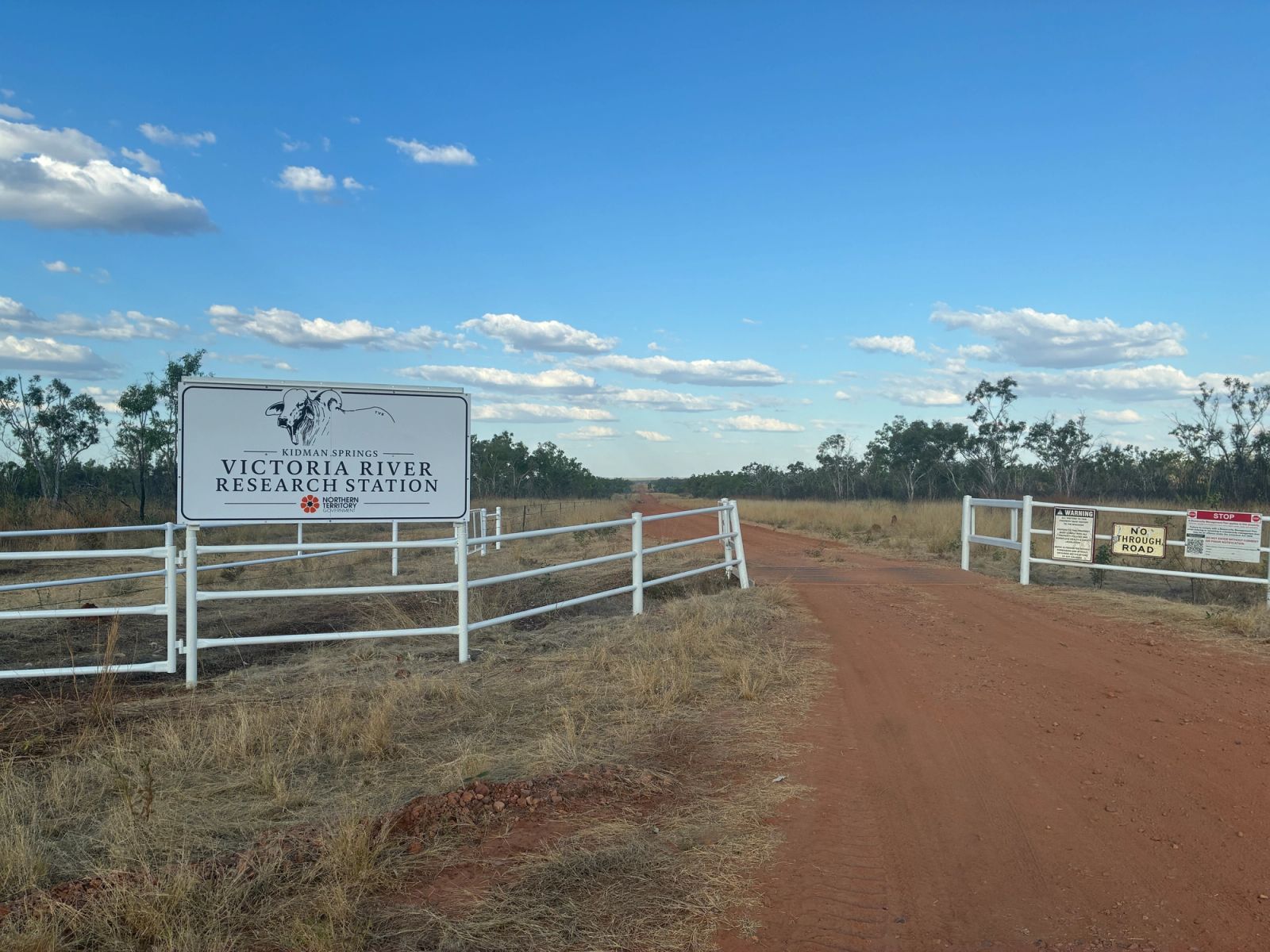
The Northern Territory’s largest virtual fencing trial is underway at Kidman Springs Station in the Victoria River district, where around 700 cattle are now fitted with Gallagher eShepherd collars.
The trial, led by the Northern Territory Department of Agriculture and Fisheries (NT DAF) and funded by the Cooperative Research Centre for Developing Northern Australia (CRCNA), was featured on the ABC’s Northern Territory Country Hour this week.
Researchers are investigating how virtual fencing can support livestock management in the extensive beef systems and uniquely harsh environment of northern Australia, and follows a series of smaller projects that tested virtual fencing in the country’s north.
The trial has achieved good success in keeping cattle within virtual boundaries, helping exclude them from areas that’d been overgrazed, enabling strip grazing, and using the tech to move the cattle to a new water point.
For eShepherd General Business Development Manager Mark Dempsey, the project represents an important opportunity to demonstrate how virtual fencing can deliver practical value in commercial beef enterprises.
“It's exciting for us as a business to have a substantial number of collars operating within a single production system in the north,” Mr Dempsey said.
“We see lots of opportunity and we're really excited to see what's to come over the next 12 months.”
While virtual fencing has often been associated with grazing management and pasture utilisation, Dempsey said northern producers are increasingly interested in the technology’s ability to support livestock movement, animal visibility and operational efficiency.
“Just having full visibility of your animals and knowing where they are in real time is only going to create efficiencies,” he said.
“Animal containment and movement are likely to be some of the biggest opportunities for producers in the north.”
The trial will also explore whether virtual fencing can assist with mustering. Researchers hope the technology may help guide cattle towards yards, reducing reliance on helicopters for some mustering activities.
“If we can create efficiencies through moving animals closer to a watering point or towards the yards, both from a labour and aerial mustering perspective, there’s huge potential,” Dempsey said.
As producers move beyond simply asking whether virtual fencing works, projects like Kidman Springs are helping answer a more important question: where can it deliver the greatest value?
The lessons generated through the Northern Territory’s largest virtual fencing trial will help build the evidence base for how Gallagher eShepherd can support productivity, operational flexibility and smarter livestock management in some of Australia’s most challenging beef production environments.